
 For decades, residential real estate appraisers have relied on clipboards, graph paper, tape measures and glue sticks to appraise homes. Site visits involved hand-written notes, manual measurements with tape measures, and hours back at the office translating field data into reports.
That process is rapidly becoming obsolete and appraisers will soon see mobile applications replace clipboards, forever changing how appraisers collect property data. Those appraisers who decide to throw away their clipboards in favor of mobile apps, they will be increasing efficiency, improving accuracy, and significantly boosting their hourly earnings.
Smartphones and tablets now offer powerful applications that can automate key parts of the appraisal inspection and completion process. With the tap of a screen, appraisers can generate digital floor plans, capture high-resolution images, and collect property data from the photos alone. These mobile solutions don’t just replace clipboards, they create a smarter, faster, and more efficient workflow.
Goodbye Clipboards, Hello Cameras and Computer Vision
One of the most revolutionary advancements driving the demise of the clipboard is computer vision. This technology can analyze property photos and automatically and accurately identify and classify features in a room. Things like flooring type, appliances, wall finishes, light fixtures, condition, quality and more. Rather than spending time taking notes with a pencil and paper while inspecting the property, appraisers can use this technology to “see” features in the property and populate into their report accurately from just the images they capture.
The same technology is being applied to exterior photos, where computer vision can identify siding and roofing materials, the number of garages, ADUs, decks, pools, outbuildings and hundreds of other items, including damage. These photo-based insights can be directly populated into the appraisal report, reducing data entry time and enhancing consistency.
Digital Floor Plans at the Touch of a Button
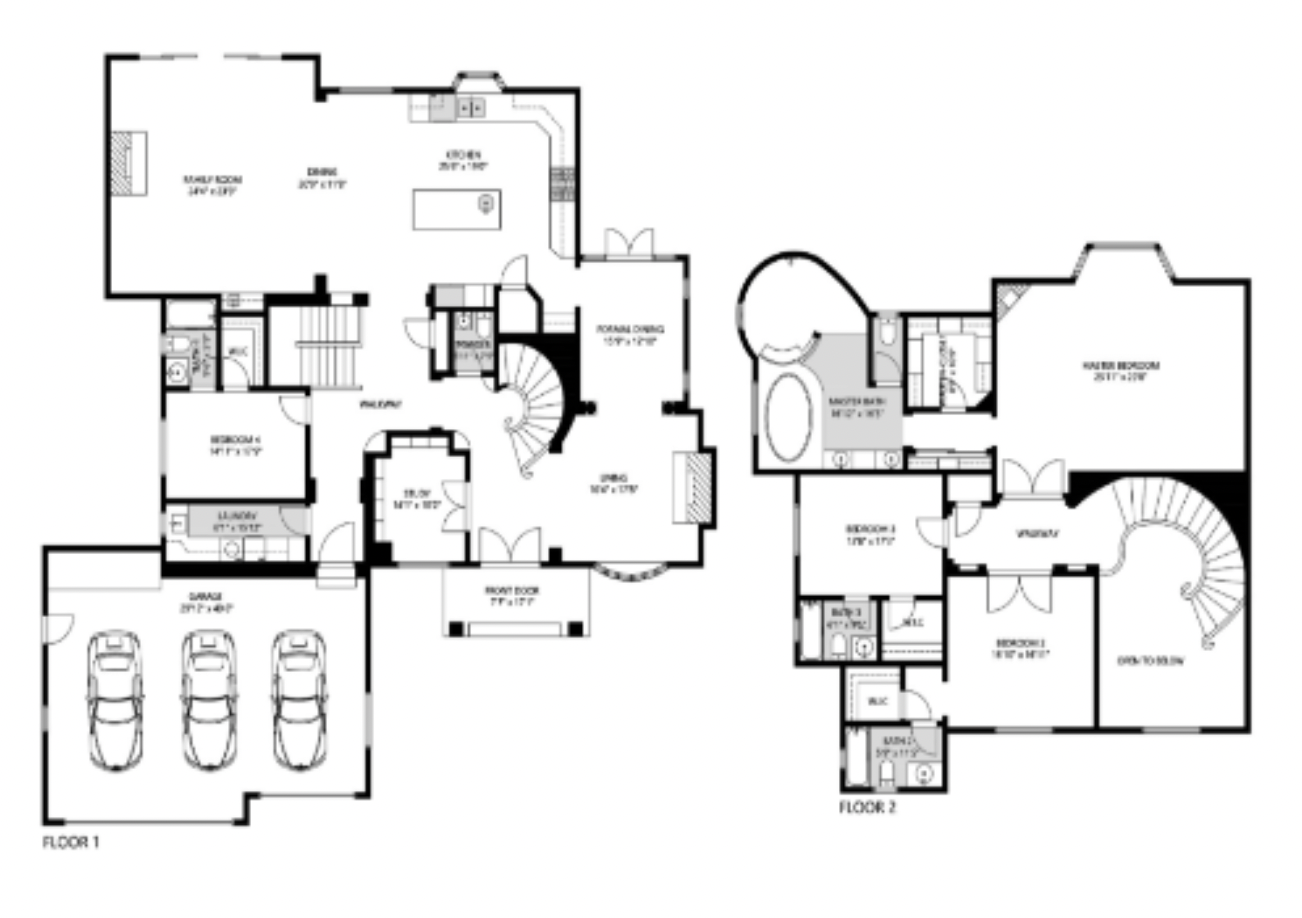 Measuring a home used to require a tape measure and physically drawing on paper in the field, then manually transferring those measurements to sketching software. Today, digital floor plan apps allow appraisers to create digital floor plans using only their smartphones or tablets, from inside the home. With LiDAR-enabled scanning, appraisers can walk through a home, capturing the floor plan with dimensions in real time and comply with ANSI standards. The result is a precise, very detailed floor plan delivered immediately. I wish I had this while measuring houses in Minnesota in the middle of January, when it was 30 degrees below zero!
Web-Based Forms and MLS Data Integration
Mobile and cloud-based appraisal software has become more prevalent. Appraisal software providers now offer web based software that auto-fills with public records and MLS data – all pulled from the cloud and layered into the current assignment. In addition, this new technology will allow non-traditional innovators to provide web based solutions. Appraisers should start thinking about per- appraisal “click-fees” rather than annual subscriptions for these new services and systems.
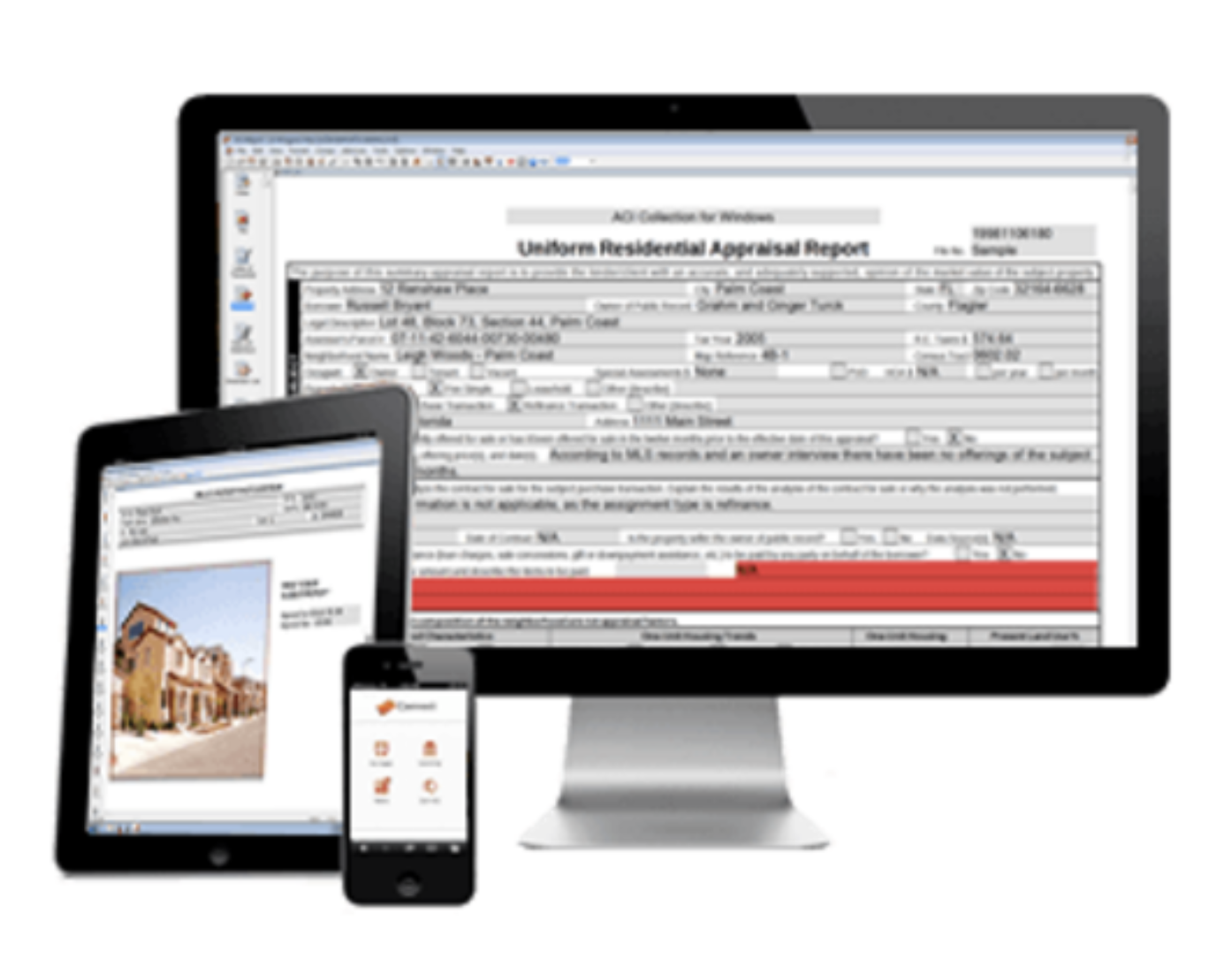 This automation eliminates hours of manual data entry, letting appraisers verify data rather than build it from scratch. With MLS integration, appraisers can directly import photos, comparable sales data, and property descriptions into their forms. The result is a near-instant draft ready for the appraiser to analyze by the time the inspection concludes.
From Data Collectors to Data Analysts
This shift in workflow redefines the appraiser’s role. Instead of spending time manufacturing the report, appraisers become analysts and reviewers of data already collected and structured by technology. This transformation plays to the appraiser’s highest and best use – market knowledge, valuation judgment, and critical analysis – while technology handles the repetitive work. Much like the dental hygienist and the dentist or the paralegal and attorney, appraisers will always be in control of the report, but relieved from the monotonous and repetitive processes.
Because the mobile app automatically and accurately gathers so much property data, appraisers can focus on verifying, adjusting, and interpreting. The time spent on the report shifts from typing to thinking—resulting in better quality reports in less time.
Speeding Up Turnaround and Increasing Hourly Revenue
One of the biggest and best impacts of mobile technology adoption is decreased turnaround time. What used to take two to three days after a site visit – measuring the property, typing the report from field notes, drawing floor plans, and uploading photos – can now be done from the appraiser’s vehicle minutes after the inspection ends.
Using mobile tools, an appraiser can complete the floor plan, verify features through computer vision tagged photos, and auto-populate the form before leaving the subject property. The report can be finalized and submitted within minutes, not hours or days, with a few additional touches on comparables and commentary.
This compression of time has a direct impact on revenue per hour. Appraisers who previously spent 6–8 hours per assignment can now complete high-quality reports in under 3 hours. A $400–$500 appraisal effectively doubles one’s hourly income. Multiply that across 20+ reports per month, and the business case for adopting mobile technology becomes indisputable.
Better for Clients, Better for Appraisers
Clients and lenders benefit as well. Faster turnaround times mean quicker closings and fewer delays. More consistent data and system-based rules reduce revision requests. And in an era of increasing regulatory scrutiny, mobile tech helps appraisers easily meet modern standards by automatically blurring out people and personally identifiable information in pictures.
With mobile tools, the appraiser gains flexibility, efficiency, and accuracy, freeing up time for more assignments, or better yet, more personal time. It’s a shift from being a data gatherer and manufacturer of the report to being a trusted valuation expert.
Embracing the Future of Appraisal
The appraisal profession is not being replaced by technology; it’s being augmented and elevated by it. The days of the clipboard will be gone forever, replaced by a more efficient, accurate, and intelligent approach to the appraisal process.
Adopting mobile applications is no longer a luxury – it’s a strategic advantage. For appraisers looking to stay competitive, improve their workflow, and increase their income, the message is clear, put down the clipboard and pick up the tablet. The future of appraisal is in your hands, literally!
Again, appraisers are not being replaced by technology, but appraisers who don’t adopt technology will definitely be replaced by those who do.
Share this article

Written by : Tony Pistilli
As President of Valuations at Restb, Tony Pistilli is responsible for providing direction to the application of Restb.ai's products and services for the valuation segment of the real estate industry, working with the product team to develop and expand the suite of offerings and prioritizing development initiatives. Tony also plays a vital role in expanding Restb.ai's reach in the valuation and appraisal industry, as well as fostering relationships with lenders and related industry partners.
Tony has over 30 years of executive-level real estate valuation and lending experience including working with national banks, mortgage companies, federal agencies, and leading appraisal management firms. He is a certified residential real estate appraiser in Texas and is an AQB Certified USPAP Instructor. In 2011, he was the first recipient of the Valuation Visionary Award presented by the Collateral Risk Network at Valuation Expo.